
Mabh Savage
Words and the world passing by; how it sings to me; how I clamour back.
Post Solstice Blues
The longest day
Was wild
Was fun
With number one
My precious son
Who charms
And smiles
And plays
And whiles
Away the day
That stretches
Until the very fabric
Of dusk is
Thin
Like ancient parchment
On which is scribed
The secrets of
The universe
Then waking post solstice:
Rain and gloom and
Fog and doom and
Mundane madness
Mot, plug faulty,
Purse empty
Child grumpy
Bed lumpy; weak cup of tea…
A headache grows
And blows the beauty
Out of mind
But stay, and pray;
What is that stray
Beam of beauty
Falling through my curtain?
Lugh’s promise: Balor’s gaze.
A vow of brighter days.
I smile, and blues are fading
In the haze.


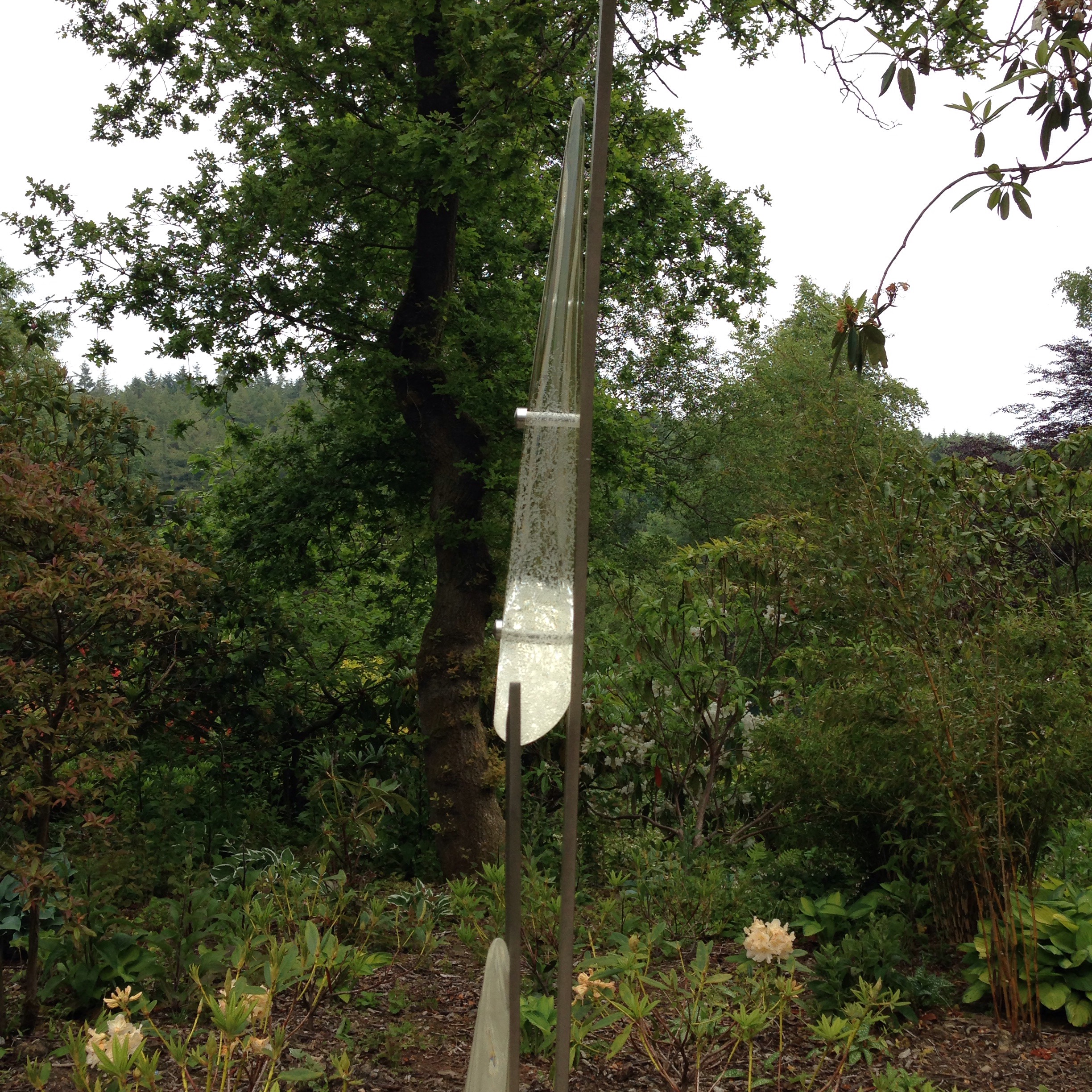
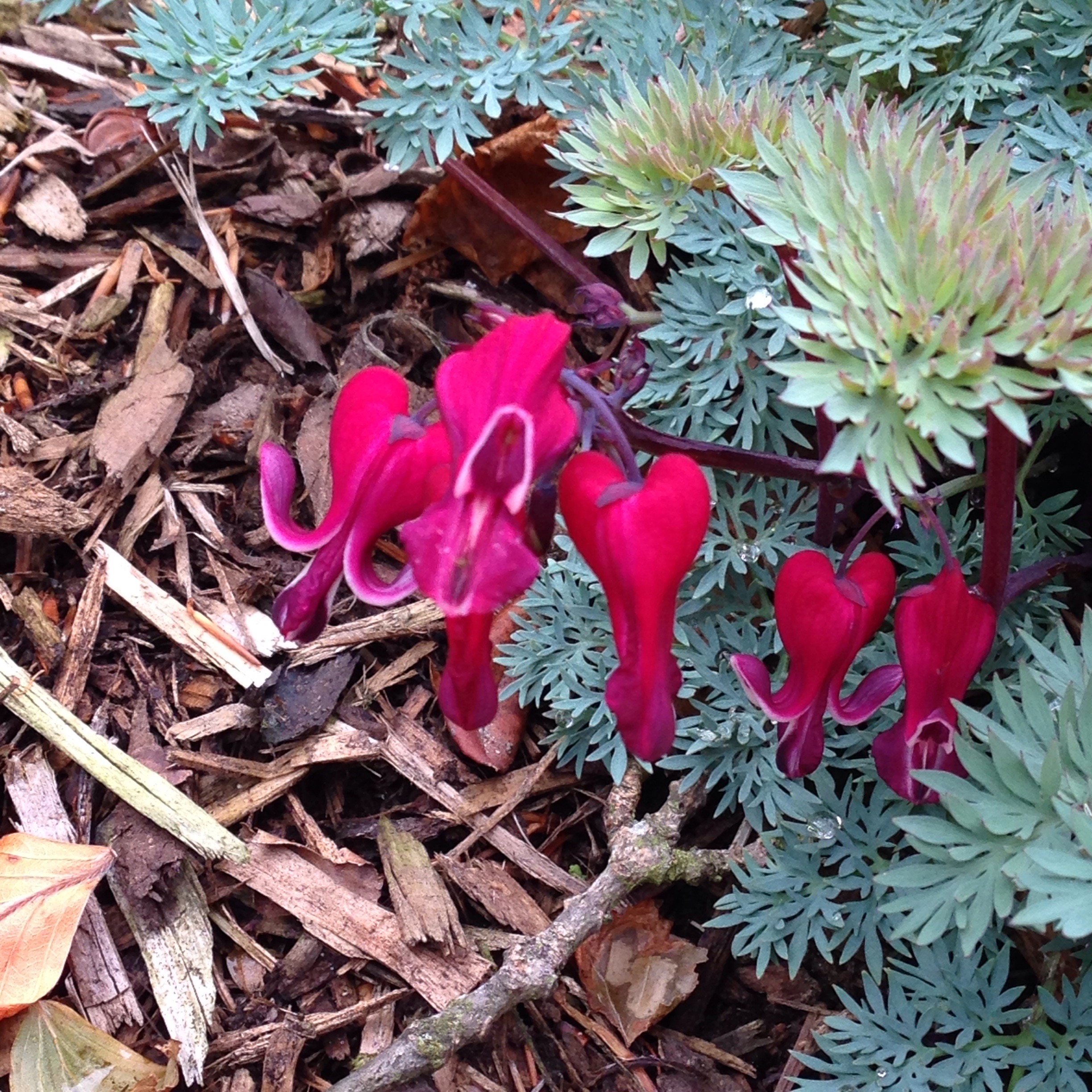


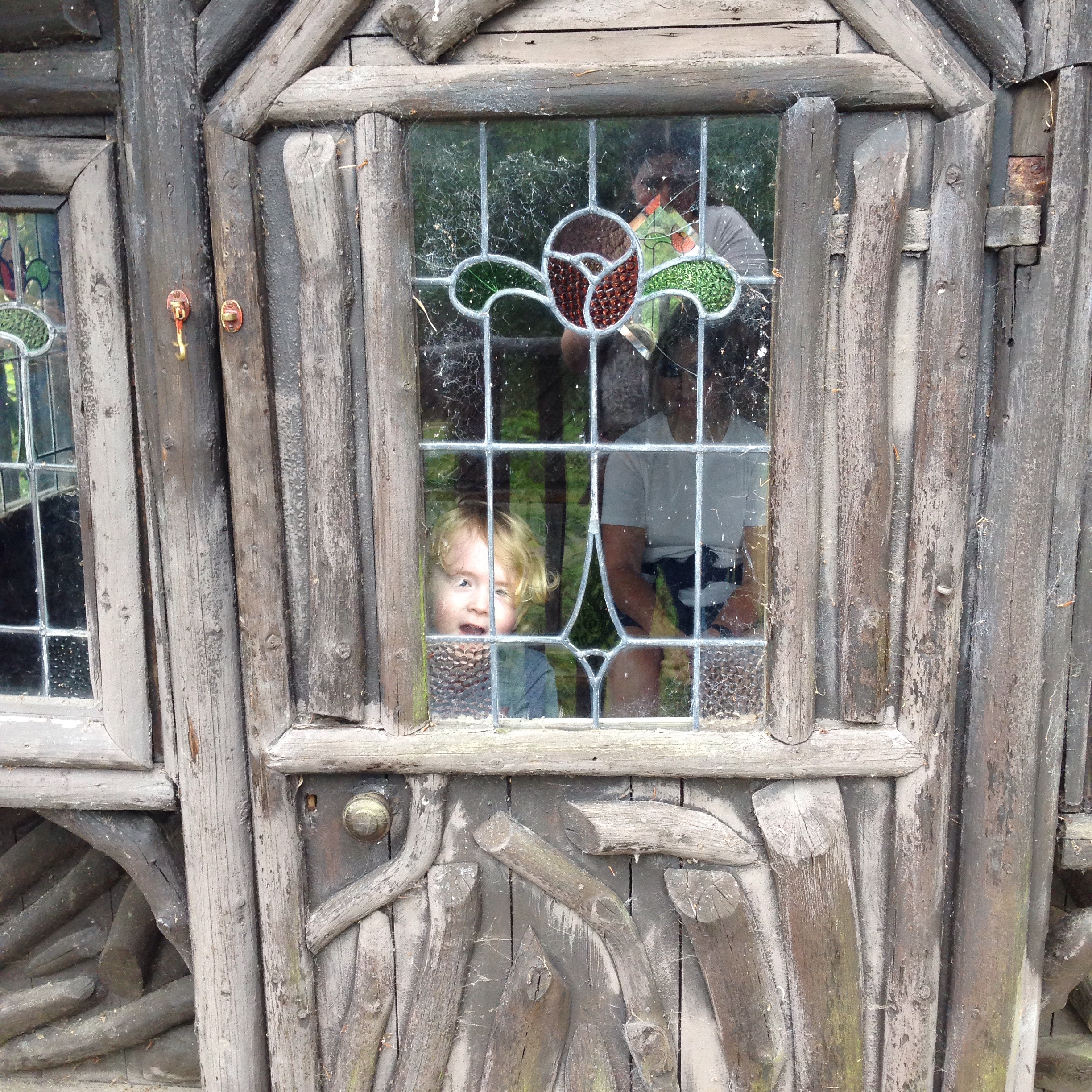

Summer

Spiderlings

Elderflower
Negative affirmations
The power of ‘No’; being able to say no at times is crucial. Nimue says it better!

I can’t. I won’t. I don’t like it. I don’t want to. It does not interest me. No.
The right to say no, and to have that ‘no’ heard and respected, is a key part of getting to be a functional human being. People who are only allowed to say yes, are not allowed to say anything at all. It doesn’t matter whether the pressure to be relentlessly positive comes from a belief system, or the demands of people, being denied the right not to want, not to like, not to participate, is to be denied a very large part of your self.
I am especially wary of spiritual positions that see anything negative as bad. We are finite beings. We really do have limits. While we occupy these bodies of ours, we have limited perceptions. We don’t know everything, we can’t do everything. Flesh boundaries us. Gravity inclines us…
View original post 446 more words
Diamond Encrusted Oranges
Asda asked me what my Click and Collect experience was like:
The whole process was a shambles. Ordering itself was OK, although the search function doesn’t work too well on the website, and if you are using the website/app on your phone, you lose some of the functionality.
I was told that when I went to collect my order, staff would be on hand to help me. No staff were available; I had to use an electronic system to open various doors; it was like being in an episode of the Crystal Maze. Once I had retrieved my crystals- sorry, shopping, I had to run and get a trolley to manhandle the lot back to the car, despite having been assured that staff would help with this.
Once I got to the car, I discovered that several items were missing. When I double checked this on the receipt, I also found I had been massively overcharged for my oranges. £1.50 an orange! Maybe they do have crystals inside them…
My oranges and I trundled to the customer service desk, and had to wait an inordinate amount of time despite there being two members of staff; one was processing a refund for another customer, but the other was scanning baby milk; she kept smiling and saying ‘won’t be a minute love’ which was a blatant lie as when I eventually left 20 minutes later she was still scanning said formula… The other lady was baffled by my missing goods and apparently platinum laced oranges, but wasn’t sure what she could do as the Click and Collect man (her words) had gone home. I find this baffling as I was told I could pick my order up any time between 8pm and 10pm, and it was only 8.15pm.
After 5 minutes of hand wringing she spotted a manager crossing the shop floor, who kindly found my missing items and instructed customer services to refund me £7.50 for the diamond encrusted oranges. This whole process took around 20 minutes, during which time I was documenting the incident on Facebook: if we know how to shop online, we sure know how to post our dissatisfaction online too!
I arrived home, exhausted and baffled, and unpacked without paying too much attention to it. Two days later, I was planning dinner when I realised I didn’t have the item I was planning to cook. I retrieved my receipt and discovered that there were 3 more missing items than I had at first realised! I have requested a refund for these so can only hope this is dealt with in a manner more befitting a supermarket than an 80s puzzle-based game show. I hope this feedback is useful. I really can’t see myself using the click and collect service again without some incredible incentive. It was hard work and I’m still dealing with it 2 days later. It would have been quicker and less stressful to trawl around the supermarket myself.
10 things meditation can do for you
Wonderful insights on meditation.
It’s normal to see meditation described as a calming, soothing activity to reduce stress and anxiety. While it certainly can and does deliver these things, there’s so much more that is available.
1) Increased self awareness. If you regularly pay attention to your breathing, your thoughts and the general state of your body then your awareness the rest of the time will also increase. This can help you change your lifestyle to better match your needs.
2) Self control. If you learn how to drop into calmer states, how to calm yourself and direct your thoughts in very specific ways, this will be more available to you when not meditating as well.
3) Visualisation and pathworking meditations stretch and develop the imagination so that your mind becomes more flexible and creative at all times.
4) Consciousness shifts. Meditation is not just about being calm, it’s about deliberately being able to…
View original post 345 more words
Gardening day.

Marigold seedling repotted.
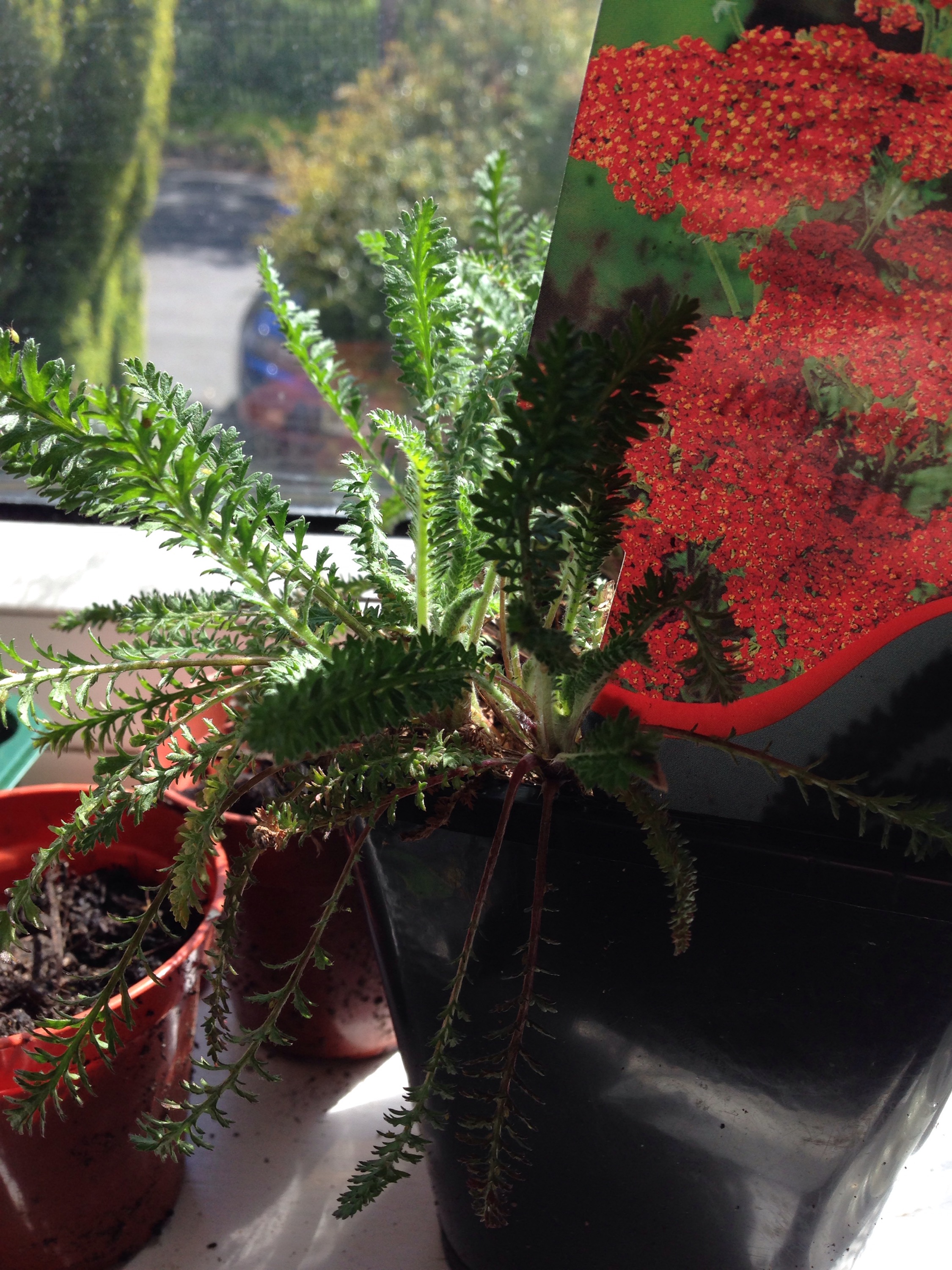
Yarrow ready to go into the garden.
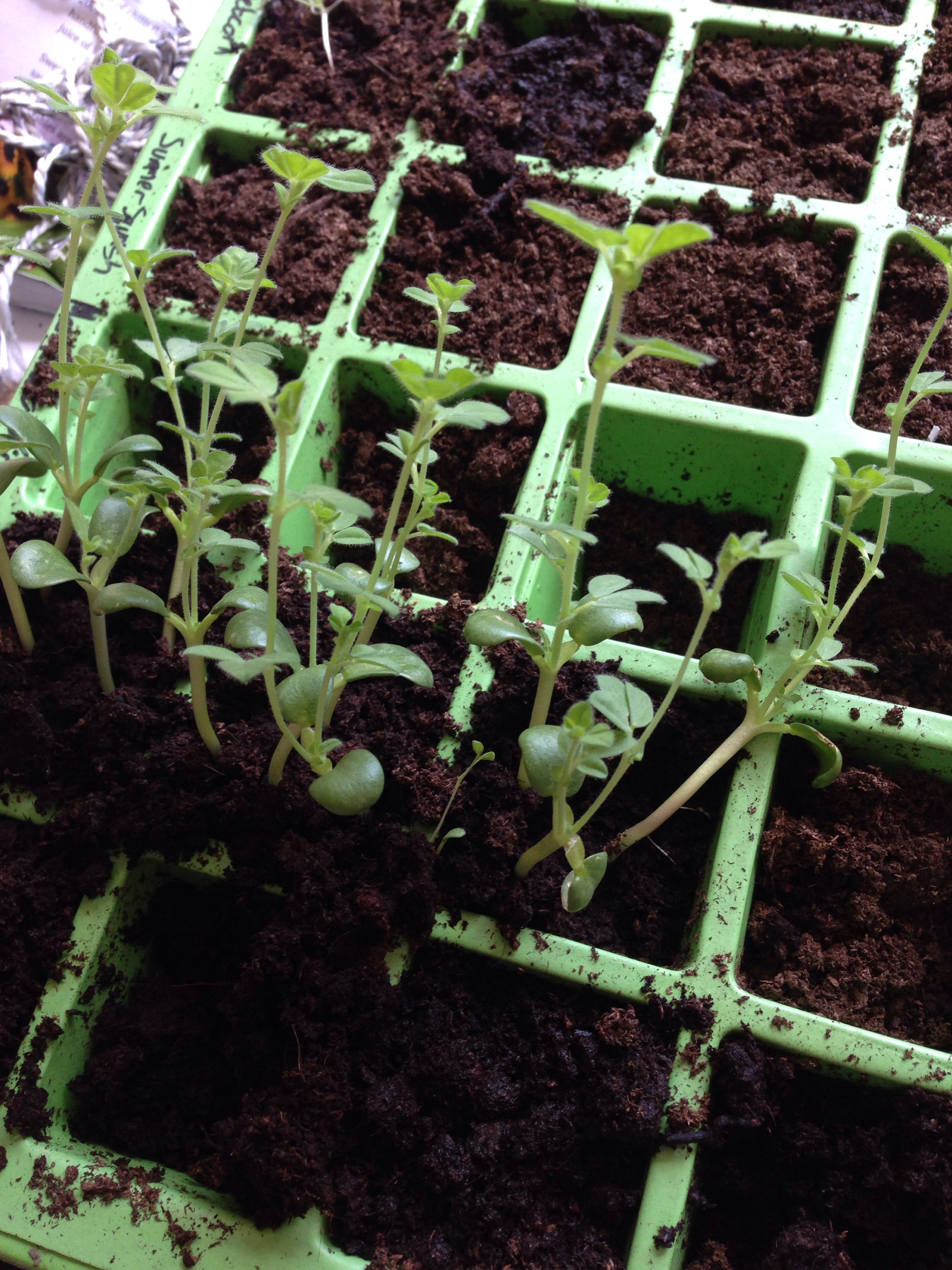
Asparagus peas: a new venture this year.

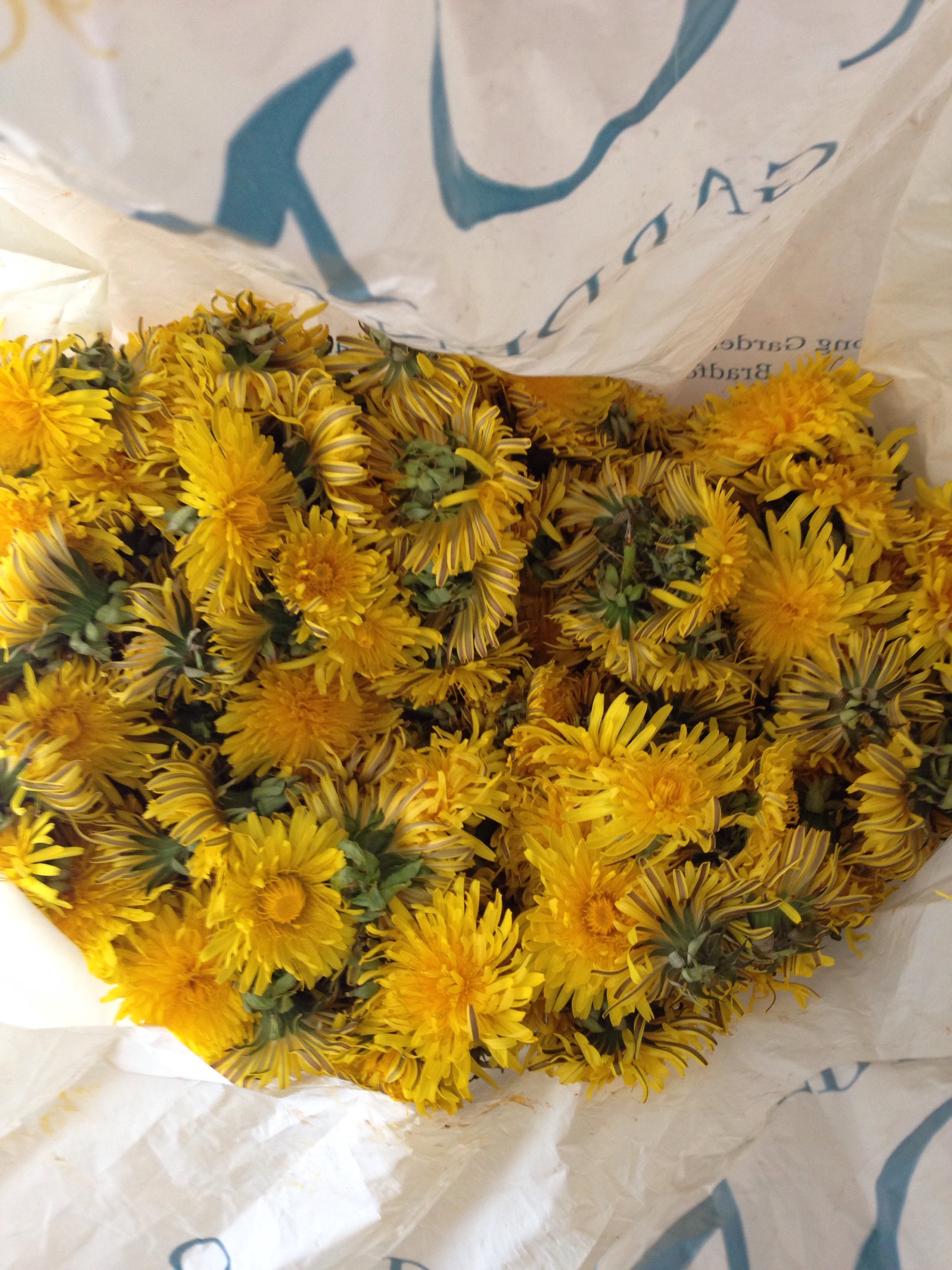
Fresh Black Peppermint. Smells divine.

Cerne Abbas: A Very Naughty Boy
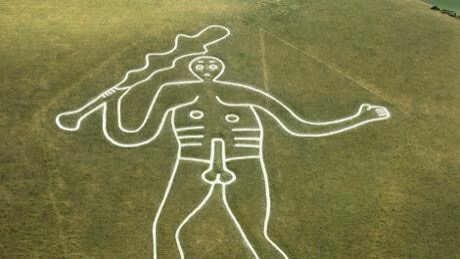
Facebook blocked me from promoting my piece which had an a image of the Cerne Abbas Giant on. So I sent this to Facebook:
“I’m dismayed my advert has not been approved. It has been marked as having ‘adult’ content; please can you explain this? This is an educational piece about Celtic heritage.”
This was their response:
“Hi Mabh,
Thanks for writing in. I’m here to help.
Your ad was rejected because the image doesn’t follow our ad guidelines. Ads may not use overly sexual images, suggest nudity, show a lot of skin or cleavage, or focus unnecessarily on specific body parts. This is also applicable to the images present on your Pages.
Please make the necessary edits and recreate your posts. If it’s an ad created from the create flow, you can edit it in your ads manager:
http://www.facebook.com/ads/manage
Review our policies on ad images here:
https://www.facebook.com/help/250509391644213/?ref=cr
Let me know if you need more help from my end. Have a great day.
Thanks,
Jane
Facebook Ads team
Facebook”
Is it just me or has she completely ignored my original query? Anyway, this was my follow up email:
“Hi Jane,
The picture is of, and I can’t stress this enough, a national monument. It is a piece of history and certainly not pornographic or ‘overly sexual’. Please reconsider your decision based on the facts. The Cerne Abbas Giant is thousands of years old and can be seen by anyone. What are you achieving by blocking its image on Facebook, other than irritating a paying customer and her audience?
Yours,
Mabh Savage”
What do you think guys? Am I onto a loser with this? I’m just riled that they consider the Cerne Abbas giant, a piece of much loved history, too sexual for Facebook.
 Mabh Savage